Infuse Authenticity: The Versatility of Culinary Herbs Watercolour Clipart
In the crowded digital marketplace, the difference between a project that feels "homemade" and one that feels "handcrafted" often lies in the quality of the visual assets. We are seeing a massive shift away from sterile, corporate aesthetics toward designs that feel organic, tactile, and authentic. This is particularly true in the food, wellness, and lifestyle sectors. Enter the Culinary Herbs Watercolour Clipart set—a collection that transcends standard stock imagery to offer a genuine artistic touch. This isn't just a set of vegetables; it is a toolkit for visual storytelling, specifically designed to bridge the gap between the kitchen and the screen.
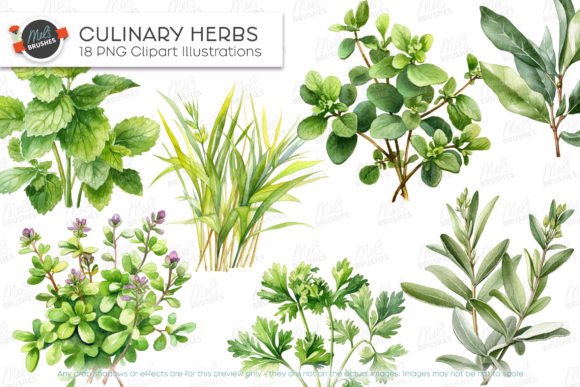
What makes this collection stand out is its commitment to craftsmanship. With 18 distinct illustrations, including Bay Leaf, Thyme, Basil, and Chives, the set captures the delicate translucency of watercolor paint. You won't find flat, vectorized approximations here. Instead, each herb is hand-painted and digitized into high-quality transparent PNG files at 300dpi. This resolution is critical. Whether you are printing a large-scale banner for a farmers' market or scaling the image down for a website favicon, the texture remains crisp. The personality of these illustrations is inherently warm and inviting; the soft bleeds of color and the subtle variations in pigment mimic real paper and paint, adding a layer of sophistication to any design.
Strategic Applications: Beyond Simple Decoration
For designers, marketers, and content creators, the utility of Culinary Herbs Watercolour Clipart extends far beyond simple page decoration. These assets are powerful tools for brand identity and visual hierarchy. Consider the current trends in packaging design and editorial design. Consumers are gravitating toward brands that appear sustainable, organic, and artisanal. By integrating these watercolor elements into your layout, you immediately signal these values to your audience without saying a word.
For food bloggers and recipe developers, these images solve a common problem: the "visual break." Long blocks of text in a recipe post can be tedious to read. Using a watercolor sprig of Rosemary or a cluster of Dill as a divider or a background watermark improves readability and keeps the reader engaged. In social media graphics, where attention spans are short, a bold watercolor splash of Mint can stop the scroll. It adds texture and depth that flat design colors often lack. Furthermore, for small business owners running cafes or meal prep services, these illustrations are perfect for creating cohesive web design elements, menu layouts, and loyalty cards that look expensive but are cost-effective to produce.
Visual Harmony and Typography Pairing
One of the most practical considerations when using a distinct asset like the Culinary Herbs Watercolour Clipart is how it interacts with your typography. Because the illustrations have an organic, flowing nature, they pair exceptionally well with specific font categories. If you are aiming for a rustic, farm-to-table aesthetic, pairing these herbs with a handwritten font or a textured serif font creates a harmonious, cohesive look. The irregularities in the watercolor paint complement the irregularities in hand-lettered type.
Conversely, if you are designing for a modern, high-end restaurant or a health-tech brand, you might want to juxtapose the soft organic images with a clean sans serif font. This contrast creates a dynamic visual hierarchy, where the soft illustration draws the eye, and the clean text provides the information. The key is to ensure that your typography doesn't compete with the art. Since the clipart features complex textures—like the veining of a Curry Leaf or the feathery structure of Dill—your text needs breathing room. Avoid placing long paragraphs directly over the busiest parts of the illustration. Instead, use the herbs as corner accents or headers to maintain readability.
Practical Workflow: Integration and Licensing
Integrating high-resolution assets into your workflow requires a bit of technical foresight. Because the Culinary Herbs Watercolour Clipart files are transparent PNGs, they are incredibly versatile for layering in software like Photoshop, Illustrator, or even Canva. However, keep color management in mind. Watercolors often have subtle gradients. When placing these images over colored backgrounds, ensure the background color complements the herb—placing green Basil over a bright red background might create visual vibration that is uncomfortable for the viewer.
From a professional standpoint, understanding the licensing of these design assets is crucial. Before incorporating them into a client’s logo design or a mass-produced merchandise line, verify the commercial terms. Most premium clipart sets allow for extensive use in digital and print products, but restrictions often apply to reselling the raw files. Always read the fine print to protect your business and your clients.
Ultimately, the Culinary Herbs Watercolour Clipart set is more than just a collection of pretty pictures. It is a strategic asset for anyone looking to infuse their projects with a sense of freshness, authenticity, and artisanal quality. Whether you are laying out a cookbook, designing a menu, or refreshing a food blog, these illustrations provide the perfect balance of elegance and earthiness.