Alice in Wonderland Mad Hatter Tea Party
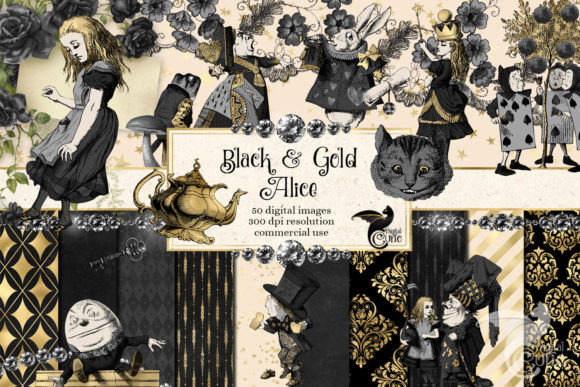
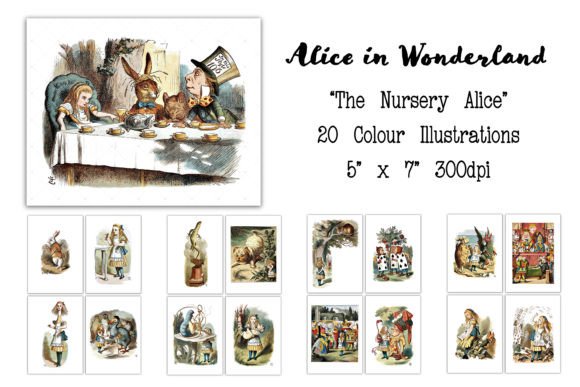
The visual charm of Lewis Carroll's world, particularly the iconic Mad Hatter Tea Party, is a cornerstone of whimsical design. This specific collection stems from The Nursery Alice, an 1890 edition tailored for younger readers. It features 20 of John Tenniel's original illustrations, including the famous tea party scene, which Tenniel himself redrawn and colored. For designers and creators, this isn't just a set of pictures; it's a toolkit of Victorian-era whimsy, digitally restored to imagine their original, vibrant glory. The appeal lies in its authentic, storybook personality—detailed yet accessible, nostalgic yet timeless. These aren't generic clipart; they are narrative assets with a distinct style that can elevate a project from merely pretty to genuinely engaging.
Understanding the Visual Language
The illustrations from the Alice in Wonderland Mad Hatter Tea Party set carry a specific visual grammar. Tenniel's line work is precise and expressive, a hallmark of skilled editorial design from the period. When restored and colored, these images balance intricate detail with a soft, storybook palette. The personality is one of organized chaos—perfectly rendered characters in impossible scenarios. This style avoids the cold minimalism of modern vector art, offering instead a textured, hand-drawn quality that feels human and crafted. For a brand identity aimed at families, educators, or vintage-themed businesses, this aesthetic communicates warmth, imagination, and a touch of classic sophistication. It’s a creative font of visual storytelling, where each illustration is a glyph in a larger narrative alphabet.
Practical Applications for Modern Creators
The real value of these restored illustrations is in their application. Think beyond simple decoration. For a small business owner creating packaging design for artisanal teas or baked goods, a subtle, line-drawn version of the Hatter or the tea set could become a signature element. For a graphic designer working on a children's book or educational material, these images provide authentic, high-quality assets that integrate seamlessly into layouts. They are exceptional for social media graphics—a perfectly sized Cheshire Cat grin for an Instagram story or a Caucus Race scene for a Facebook banner can stop the scroll with its unique charm.
For crafters and hobbyists, the applications are even more direct. These digitally restored files are ideal for creating custom mugs, scrapbooks, greeting cards, and junk journals. The 300dpi resolution and SRGB color profile ensure print quality, but the magic is in the source material. Using these images connects a modern project to a rich literary and artistic history, adding a layer of depth that stock graphics cannot match. A gallery wall in a child's nursery, composed of these framed prints, becomes more than decoration—it's an introduction to a classic story and a piece of art history.
Integrating with Typography and Other Design Assets
Pairing these illustrations with the right typeface is crucial. They demand a font with personality that doesn't compete. A whimsical script font or a slightly quirky serif font can complement the Victorian whimsy. Avoid overly rigid, modern sans serif font choices unless you're intentionally creating a high-contrast, contemporary feel. The goal is to create a cohesive visual world. For example, in a logo design for a bookstore or a café, a single, iconic character like the White Rabbit paired with a suitable display font can form a memorable mark. This approach treats the illustration not as a mere picture, but as a core component of the overall brand identity.
A Note on Practical Execution
When working with these assets, consider your final medium. For digital use on web design or social media graphics, the SRGB profile is perfect. For physical prints, the creator's advice is sound: test on quality matte coated photo paper. The vibrancy of the restored colors deserves a substrate that will do them justice. Think of these illustrations as a premium font family for imagery—you wouldn't set a headline in a poorly rendered font, so don't print a key visual on subpar paper. This attention to the final output separates professional-looking work from amateur efforts, ensuring the charm of the original art translates perfectly to your project, whether it's a personal scrapbook page or a commercial product line.
Ultimately, the Alice in Wonderland Mad Hatter Tea Party collection offers more than pretty pictures. It provides a bridge to a specific, beloved aesthetic that can inform and enhance a wide array of projects. Its strength is in its narrative clarity and emotional resonance. By understanding its visual style and applying it thoughtfully with complementary design elements, you can harness that timeless wonder for modern, practical, and professional results. It's a strategic design asset that tells a story before a single word is read.